
Price range: 48,00€ through 78,00€
Price range: 38,40€ through 62,40€
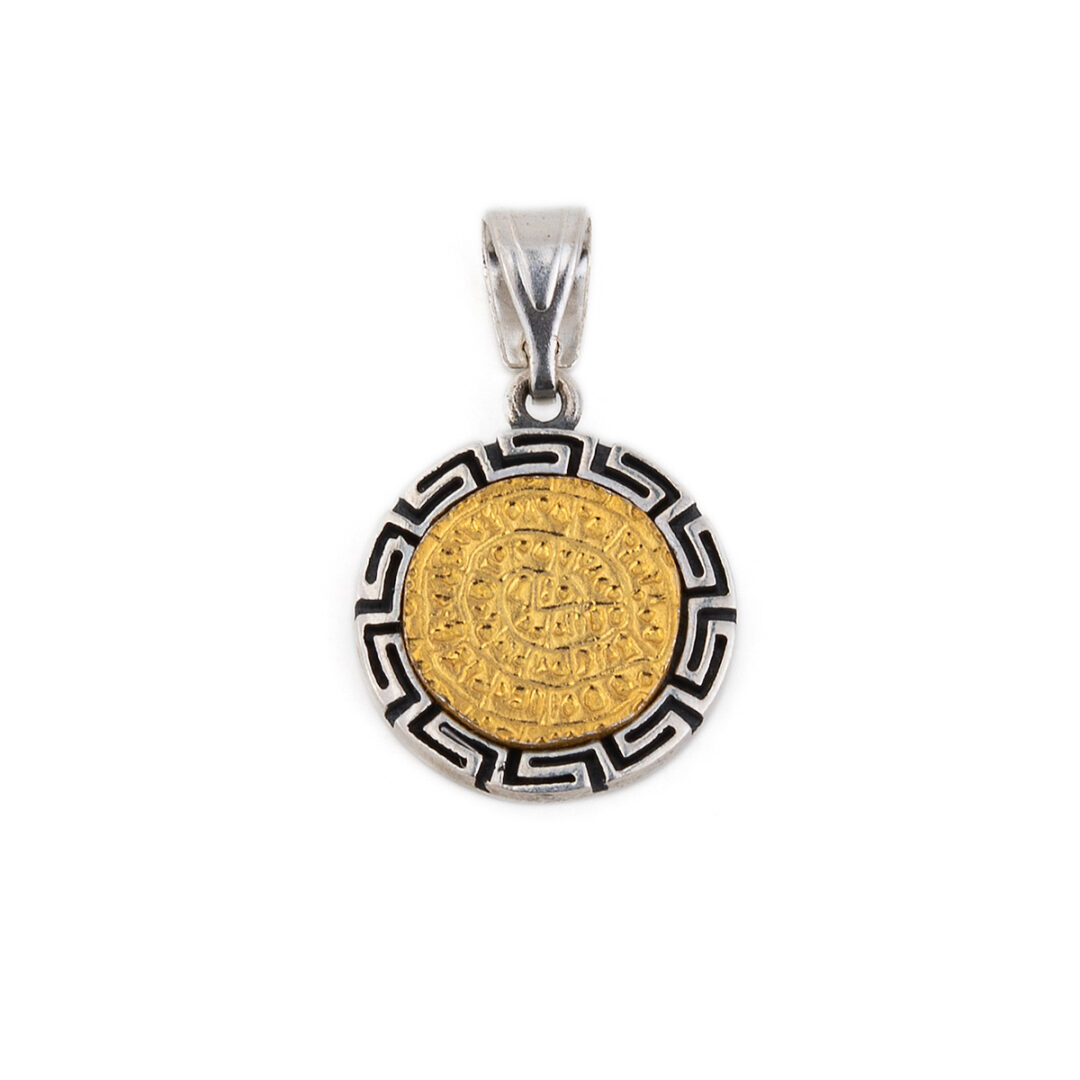
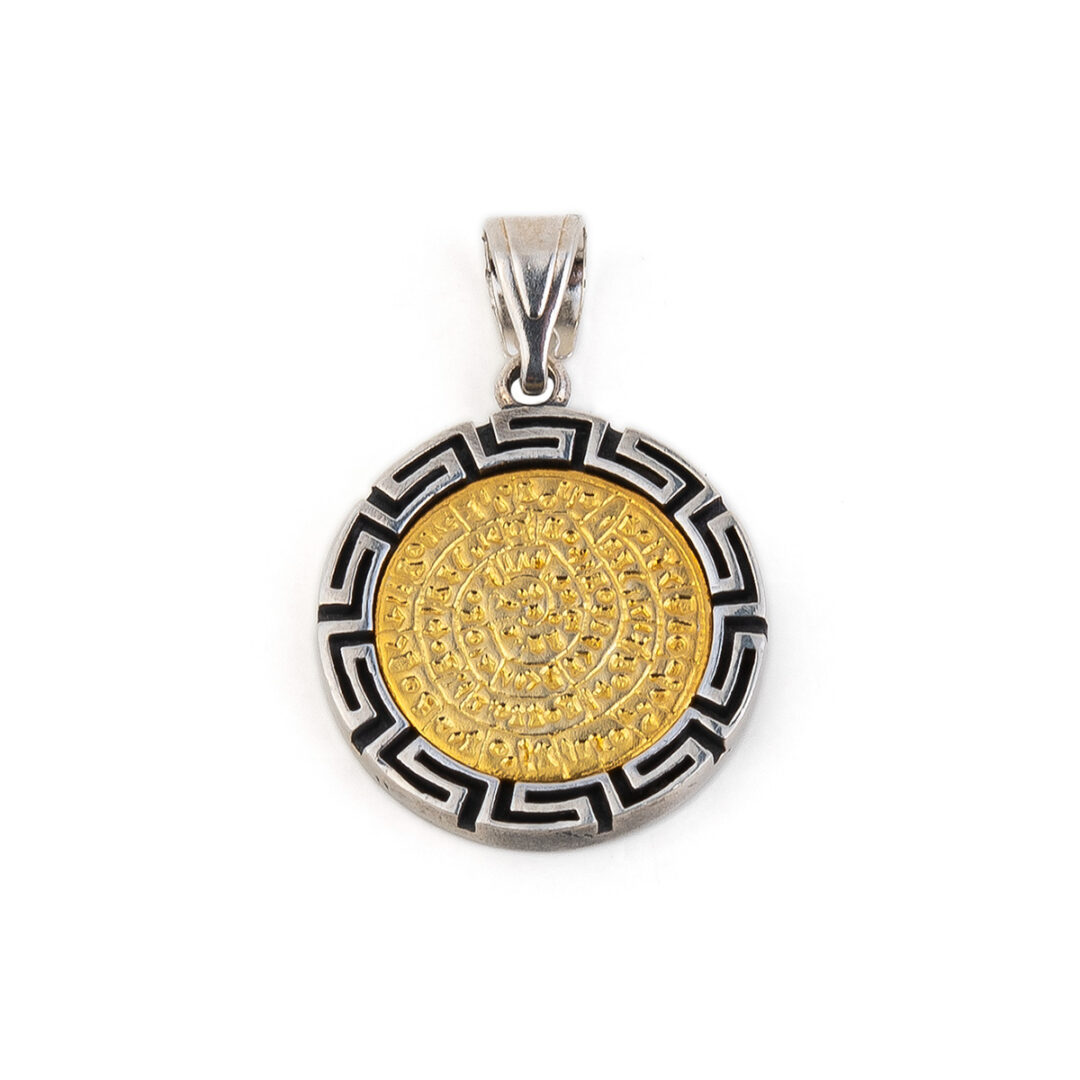
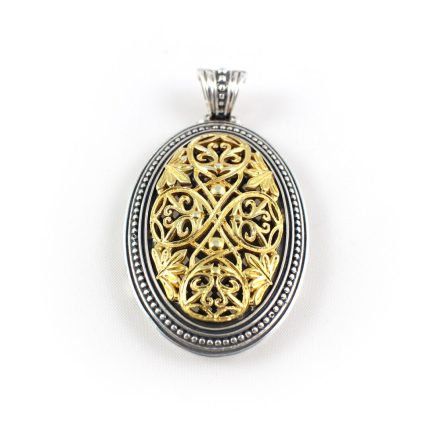
Made of 925° sterling silver and gold plated.
Handmade item.
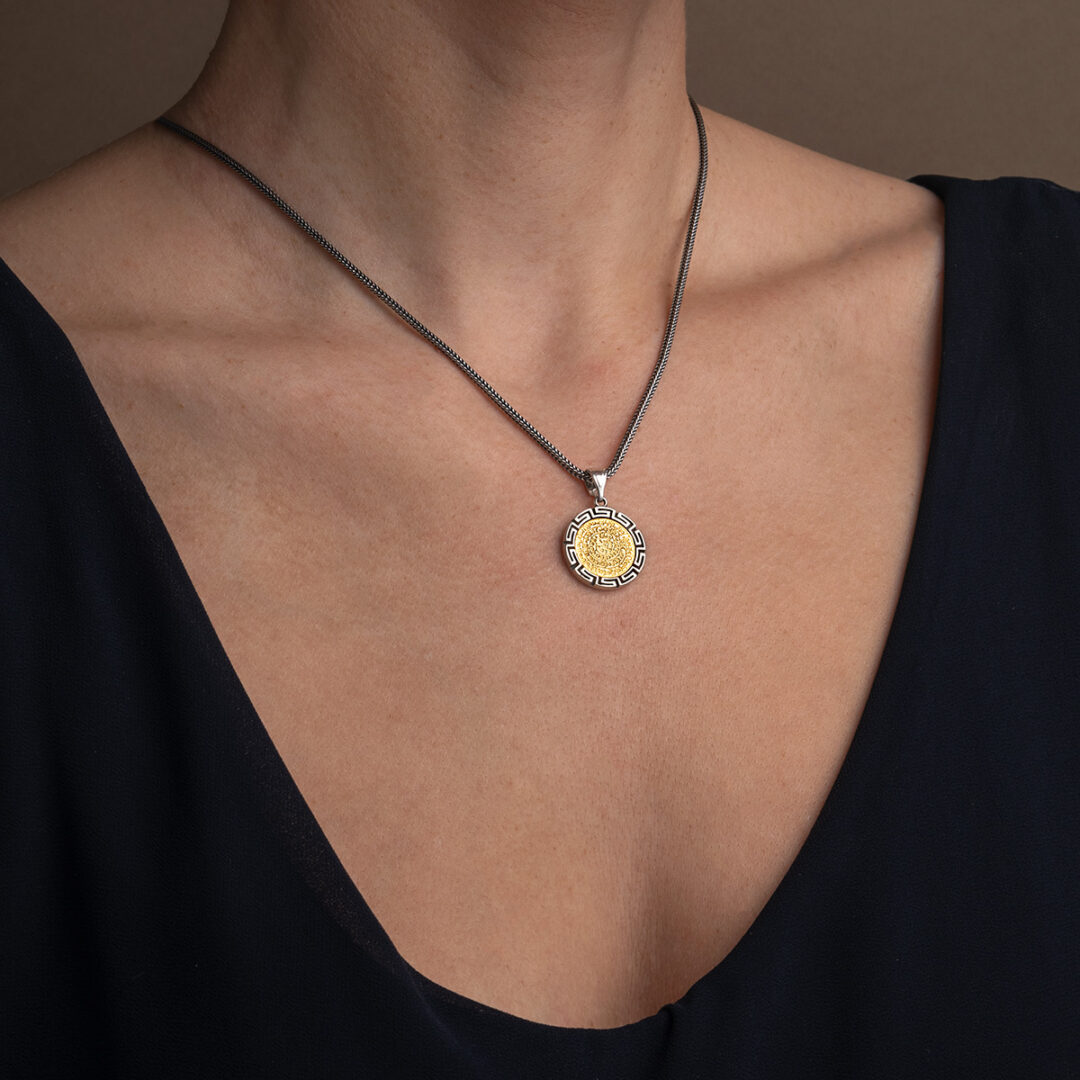
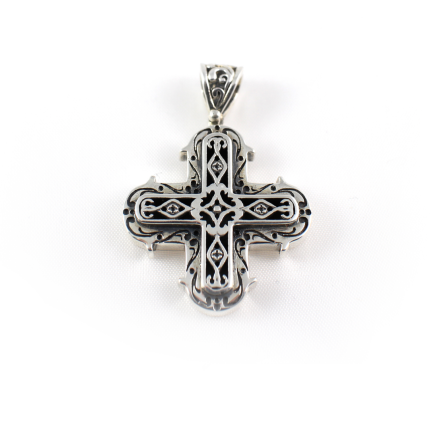
The chain shown in the second picture is our 925 Sterling Silver Oxidised Wheat Chain (not included).
Explore Phaistos Disc Collection
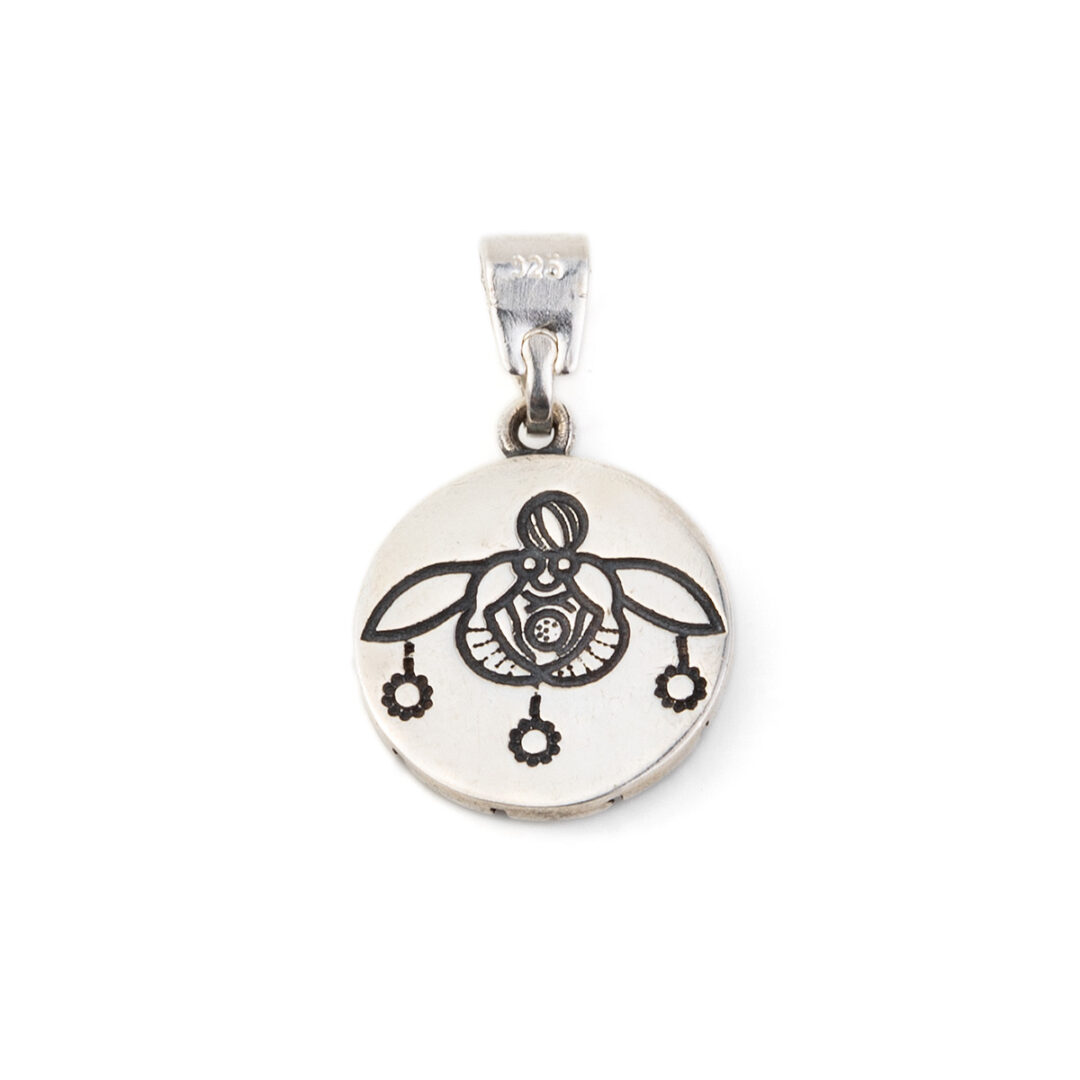
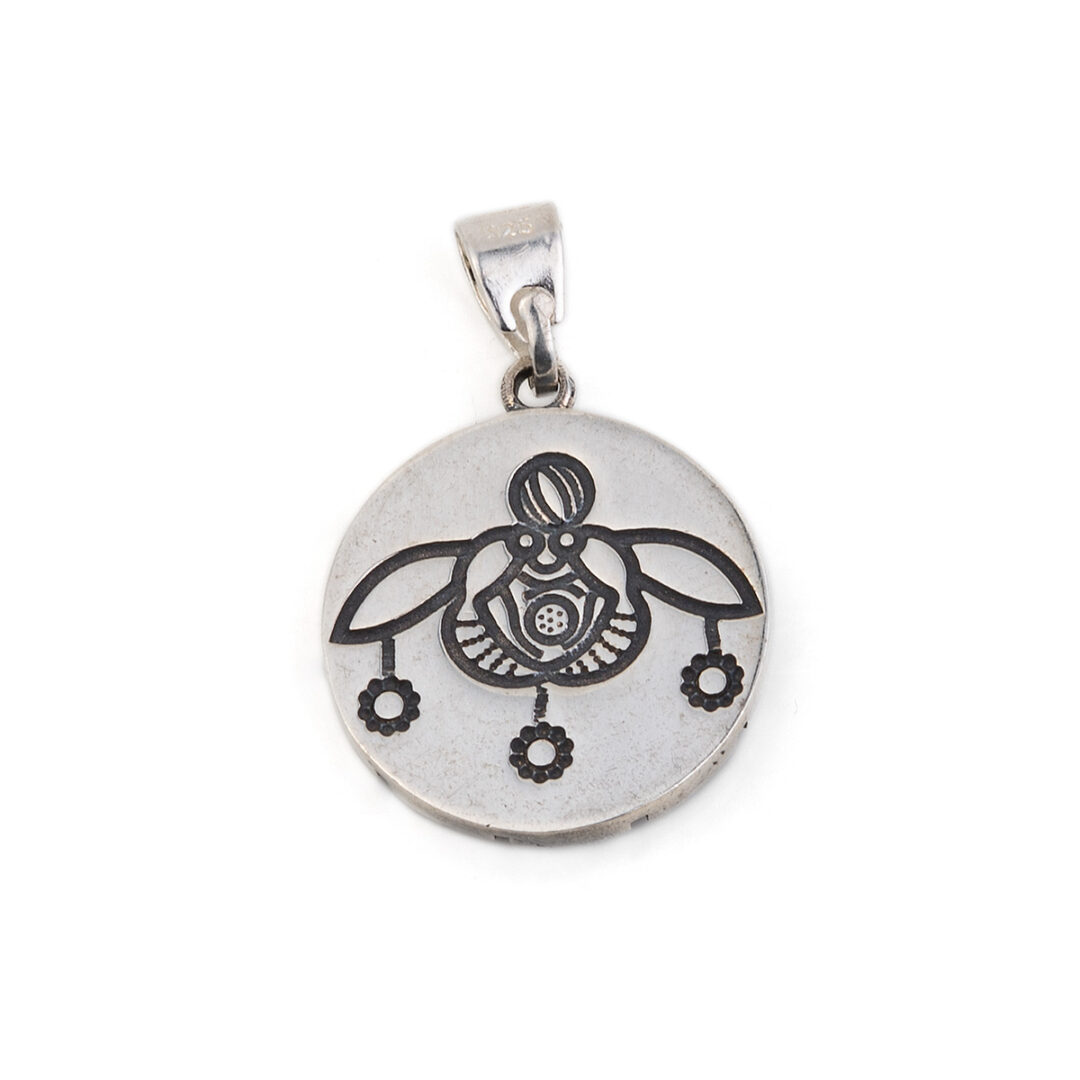
The Phaistos Disc is a disk of fired clay from the Minoan palace of Phaistos on the island of Crete. Now, the island of Crete is part of modern Greece. The disc was discovered in 1908 by the Italian archaeologist Luigi Pernier in the Minoan palace site of Phaistos. While it is not clear that it is a script, most attempted decipherments assume that it is; most additionally assume a syllabary, others an alphabet or logography or a calendar. The Malia honeybee pendant was discovered at Chryssolakkos, of the Minoan Palace of Malia on the island of Crete, and is thought to date to c.1800 BC. The named Chryssolakkos means the “pit of gold” because of the precious objects that the farmers used to find there. The Minoan Palace is situated 3 km east of Malia town and is the third most significant known Minoan Palace after Knossos and Phaistos. This pendant is in the shape of two bees, or wasps, storing away a drop of honey in a comb and is one of the most famous exhibits in the Heraklion Museum.
Phaistos Disc and Minoan Bee Pendant
Made of 925° sterling silver and gold plated.
Handmade item.
The chain shown in the second picture is our 925 Sterling Silver Oxidised Wheat Chain (not included).
Explore Phaistos Disc Collection
The Phaistos Disc is a disk of fired clay from the Minoan palace of Phaistos on the island of Crete. Now, the island of Crete is part of modern Greece. The disc was discovered in 1908 by the Italian archaeologist Luigi Pernier in the Minoan palace site of Phaistos. While it is not clear that it is a script, most attempted decipherments assume that it is; most additionally assume a syllabary, others an alphabet or logography or a calendar. The Malia honeybee pendant was discovered at Chryssolakkos, of the Minoan Palace of Malia on the island of Crete, and is thought to date to c.1800 BC. The named Chryssolakkos means the “pit of gold” because of the precious objects that the farmers used to find there. The Minoan Palace is situated 3 km east of Malia town and is the third most significant known Minoan Palace after Knossos and Phaistos. This pendant is in the shape of two bees, or wasps, storing away a drop of honey in a comb and is one of the most famous exhibits in the Heraklion Museum.
| Weight | N/A |
|---|---|
| Dimensions | N/A |
| Material | |
| Diameter | |
| Design | |
| Gender |
Only logged in customers who have purchased this product may leave a review.
Reviews
There are no reviews yet.